How Long Does a Bad Credit Rating Last?
Bad credit doesn’t last for one fixed period. How long a negative listing stays on your credit file depends on what it is, from around two years for late payments to around seven for serious infringements.
This guide covers each timeframe, what you can and can’t remove, and your options while you wait. It’s general information, not credit or legal advice. Seek independent professional advice for guidance specific to your circumstances.
How long does bad credit stay on your credit file?
Most negative listings stay on your credit file for between two and seven years. Late payments are typically listed for around two years, while credit enquiries, defaults and court judgments typically remain for around five years. Serious credit infringements can stay for up to seven years.
The exact period depends on the type of listing and when it was recorded.
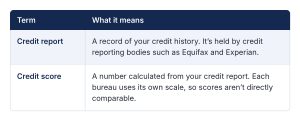
Credit score vs credit report
What counts as a negative listing?
- Late payments: repayments that were overdue
- Defaults: overdue debts that a lender has formally listed after notice
- Credit enquiries: records of applications for credit
- Court judgments: judgments made against you for unpaid debts
- Bankruptcy and debt agreements: formal insolvency arrangements
How long different items stay on your credit report
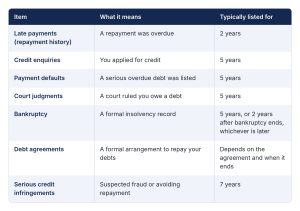
Timeframes are general guides. Check your own report and the sources listed at the end for current rules.
Do paid defaults disappear?
Paying a default doesn’t automatically remove it. Your credit report is generally updated to show that the debt has been paid. Lenders may consider this information alongside your other financial circumstances.
Does your credit score reset after seven years?
There’s no single reset date. Each type of listing has its own period. When an item drops off, your score may change, but it depends on what else is on your file.
Can you erase bad credit history?
Accurate listings generally can’t be erased before their time is up. Incorrect, outdated or unfairly listed information can be disputed and corrected.
When you can dispute a listing
You may have grounds to dispute if:
- The listing isn’t yours, for example, due to identity theft
- The amount or date is wrong
- A debt was already settled but is still shown as overdue
- The listing has stayed longer than the allowed period
How to dispute an error
- Get your credit report and note the exact listing.
- Contact the credit reporting body and the lender that listed it.
- Explain what’s wrong and provide evidence, such as statements or receipts.
- Keep records of every call and email.
- Escalate to AFCA (the Australian Financial Complaints Authority) if it isn’t resolved.
Watch out for credit repair promises
Some companies claim they can wipe your credit history for a fee. Be cautious. Accurate listings can’t simply be deleted, and you can dispute errors yourself for free. ASIC’s MoneySmart site has guidance on credit repair services.
How to check your credit report
- Choose a credit reporting body. Equifax and Experian are the main ones.
- Request your free report. You can usually get one free report every three months from each body.
- Check every listing, including names, dates, amounts and lenders.
- Note anything wrong and start a dispute if needed.
Checking your own report doesn’t hurt your credit score.
Can you improve your credit while you wait?
You can’t speed up a listing’s expiry, but you can build better habits in the meantime:
- Pay bills on time
- Avoid applying for lots of credit in a short period
- Pay off or settle outstanding debts where you can
- Keep an eye on buy now, pay later use
For a more detailed plan, see practical steps to improve your credit score.
Can you still get a car with bad credit?
Possibly, but it depends on the provider. Banks and lenders often rely heavily on credit scores. Some alternatives look at other parts of your situation.
If you’ve been declined, these car finance alternatives are a useful starting point.
CarCoop’s rent-to-own cars are designed for drivers who may not fit traditional finance requirements. A poor credit history doesn’t automatically rule you out. Eligibility depends on requirements.
It’s worth knowing how this differs from a loan. You don’t own the vehicle during the term. Eligible customers may have an option to return, upgrade or purchase at the end, subject to CarCoop’s approval and applicable terms.
To learn more, see how rent-to-own works with bad credit and what the eligibility criteria involve.
Frequently asked questions
- How long do late payments stay on your credit report?
Typically around two years from when the information was recorded. Check your own report for exact dates.
- How long does a default stay on your credit file?
Typically around five years, even if you’ve paid it off.
- How long does bankruptcy affect your credit?
Generally around five years, or longer depending on the discharge date. Check the current rules for your circumstances.
- Do credit enquiries hurt your score?
Credit enquiries are typically listed on your Australian credit report for five years. Multiple credit applications within a short period may affect how lenders assess your application.
The takeaway
Bad credit doesn’t last forever, but each type of listing has its own timeline. Check your report, dispute anything incorrect and build steady habits.
If you need a vehicle in the meantime, you can check if you pre-qualify online. Eligibility depends on CarCoop’s requirements.