What Are the Ongoing Costs of Having a Leased Car?
The ongoing costs of a leased car can include registration and CTP, comprehensive insurance, servicing, tyres, repairs, roadside assistance and fuel or charging. Some lease agreements may bundle several of these costs into the regular payment, while others remain the driver’s responsibility.
Understanding the true ongoing costs of a vehicle is essential before committing to any lease or finance structure. Beyond the base agreement, running a car involves recurring overheads that can either be a predictable rhythm in your budget or an ongoing source of financial stress.
So, once you have the keys to a leased car, what are you actually paying for on a weekly or monthly basis? Let’s break down the ongoing expenses of keeping a leased car on Australian roads—and how different payment models can affect the way you manage them.
The core ongoing costs of a leased vehicle
While every lease agreement is structured slightly differently, the main costs of running a car are broadly similar across Australia, although the amount you pay can vary depending on your location, vehicle and driving habits.
| Ongoing cost | How often you may pay | May be bundled? |
| Registration & CTP | Annual | Yes |
| Insurance | Monthly/annual | Yes |
| Servicing | 6–12 months / mileage-based | Yes |
| Roadside assistance | Annual/monthly | Yes |
| Tyres | As needed | Usually separate |
| Brakes | As needed | Usually separate |
| Fuel/charging | Weekly/as needed | Usually separate |
1. Mandatory State Registration and CTP Insurance
In Australia, you cannot legally drive on public roads without valid registration and Compulsory Third Party (CTP) insurance. Registration and CTP costs vary depending on where the vehicle is registered, so it’s important to factor these recurring expenses into your vehicle budget.
For many drivers on traditional finance or standard leases, this arrives as an annual lump sum. Unless you intentionally set aside money each week, rego month can put a significant strain on your household budget.
2. Comprehensive motor vehicle insurance
CTP insurance only covers personal injuries caused to other people in an accident; it does not cover damage to your vehicle, other cars, or property. Many leasing and finance agreements require comprehensive insurance throughout the agreement. Check the insurance requirements specified by your leasing provider or contract.
Comprehensive insurance premiums vary based on:
- Your age and driving history
- Where the vehicle is garaged overnight
- The make, model, and age of the vehicle
- Your chosen excess amount
The cost of comprehensive cover can vary significantly depending on the driver, vehicle, location, insurer and level of cover.
3. Scheduled servicing and preventative maintenance
Regular maintenance is important for keeping your vehicle reliable and protecting its condition over time.
Most vehicles have recommended servicing schedules based on time, mileage or both. The cost can vary depending on the make and model, the type of service required and where the vehicle is serviced.
Routine servicing is generally easier to budget for than unexpected repairs, but major maintenance can still create a significant expense.
4. Wear-and-Tear expenses (tyres, brakes, and batteries)
Even with regular servicing, certain vehicle components naturally wear out as you drive.
- Tyres: Tyres eventually need to be replaced depending on their condition, driving habits, road conditions and vehicle type.
- Brake pads and rotors: Brake components wear over time and replacement costs can vary depending on the vehicle and parts required.
- Battery: Vehicle batteries also have a limited lifespan and will eventually need to be replaced.
These expenses may not occur regularly, but they are worth allowing for when calculating the real cost of having a vehicle.
5. Roadside assistance
Roadside assistance can provide support if you experience issues such as a breakdown, flat battery or puncture. Depending on the lease arrangement, roadside assistance may be included in the regular payment.
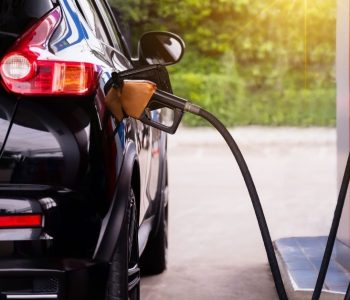
6. Fuel or charging costs
The amount you spend on fuel will depend on your driving habits, annual kilometres, vehicle efficiency and current fuel prices.
How bundled packages simplify your vehicle budget
A flexible weekly payment arrangement can make these recurring expenses easier to manage when eligible costs are included in the agreement.
With CarCoop, your vehicle package may include costs such as:
- State vehicle registration and CTP
- Comprehensive insurance cover
- Scheduled servicing and logbook maintenance
- 24/7 Roadside assistance
Including these expenses in the regular weekly payment can make vehicle budgeting simpler by reducing the number of separate bills you need to manage throughout the year. However, what’s included can vary depending on the vehicle and agreement, so it’s important to check which expenses are covered and which costs remain your responsibility.
For Australians comparing different vehicle-access options, choosing car leasing with flexible weekly payment arrangements provides a practical way to smooth out cash flow and make your vehicle expenses easier to plan and manage.
How much does a leased car cost per week?
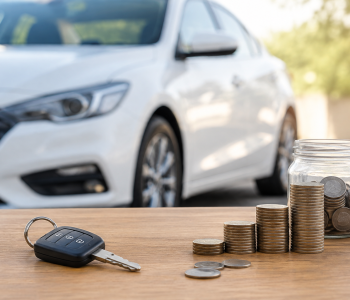
Your weekly vehicle cost depends on both your lease payment and the expenses that remain outside it.
A simple way to estimate your weekly vehicle budget is:
Weekly car cost = lease payment + insurance + registration allowance + servicing allowance + maintenance allowance + fuel or charging
For annual or occasional expenses, you can spread the expected cost across the year to create a weekly allowance. This approach can also be used for expenses such as insurance, servicing, registration and roadside assistance.
| Cost | Example weekly budgeting approach |
| Lease payment | Based on your agreement |
| Registration & CTP | Annual cost ÷ 52 |
| Insurance | Annual cost ÷ 52, or weekly premium |
| Servicing | Expected annual servicing cost ÷ 52 |
| Tyres & maintenance | Estimated annual allowance ÷ 52 |
| Fuel or charging | Based on your weekly driving |
| Estimated weekly vehicle cost | Add all applicable costs together |
The exact amount will vary depending on the vehicle, your annual kilometres, insurance premium, fuel consumption and the terms of your lease. This means a slightly higher weekly lease payment does not necessarily mean a higher overall vehicle cost. If more running expenses are included, you may have fewer separate bills to manage throughout the year.
When comparing leasing options, look beyond the advertised weekly payment and check what is included, what you pay separately, and whether any additional fees or usage conditions apply. This gives you a clearer picture of the real weekly cost of having the vehicle.
Strategies to keep your ongoing costs down
Regardless of how you access your vehicle, a few simple habits can help reduce your ongoing driving costs:
- Keep your tyres correctly inflated: Maintaining the recommended tyre pressure can improve fuel efficiency and help reduce unnecessary tyre wear.
- Stay on top of scheduled maintenance: Following the manufacturer’s recommended servicing schedule can help keep your vehicle running reliably and reduce the risk of more serious maintenance issues.
- Use a smooth driving style: Avoiding harsh acceleration and sudden braking can help reduce fuel consumption and wear on components such as brake pads and tyres.
- Choose a payment structure that fits your budget: If large annual or unexpected vehicle expenses are difficult to manage, consider options that allow costs such as registration, insurance and maintenance to be spread more evenly over time.
Finding a vehicle solution that fits your financial circumstances
Understanding the ongoing costs of a leased car makes it easier to plan your budget and avoid unexpected expenses. When comparing your options, consider the full cost of running the vehicle rather than looking at the lease payment alone.
If you’re considering leasing, it can also help to understand how car leasing works and what different lease arrangements may include. For drivers looking for a more straightforward way to manage their vehicle expenses, CarCoop offers leasing options designed around flexible weekly payment arrangements, with some vehicle costs potentially included depending on the agreement.