Small Cars vs SUVs: Which Is Better for Daily Driving?
Choosing the right vehicle for your daily commute can feel like a massive financial tug-of-war, especially when you are trying to keep your weekly budget intact while securing a reliable ride.
Are Small Cars or SUVs Cheaper for Daily Driving?
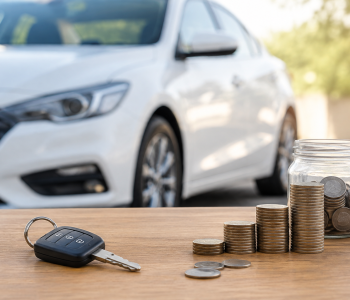
Small cars are generally the more budget-friendly option for daily driving when compared directly to upfront SUV costs. If your primary goal is to keep your regular expenses as low as possible, a hatchback or sedan usually offers a lower entry point for weekly repayments.
When you sit down to map out your household numbers, the initial savings of a smaller vehicle are hard to ignore. Traditional lenders often make it difficult for everyday Aussies, especially casual workers, the self-employed, or those with a bruised credit history, to secure realistic options.
However, the financial picture is shifting. While items like replacement tyres and standard logbook servicing for a compact vehicle are universally cheaper, modern SUVs hold their value incredibly well on the secondary market. According to recent sales data from the Federal Chamber of Automotive Industries (FCAI), SUVs now command more than 60% of the entire Australian new vehicle market. This massive consumer demand means that while you might pay a bit more upfront, you are investing in a highly sought-after vehicle type that retains an impressive amount of its residual worth over time.
Why Do Drivers Choose Small Cars?
Drivers choose small cars primarily because they offer unbeatable fuel economy and effortless maneuverability in crowded areas. When your daily routine consists of short city commutes, solo work trips, and navigating tight suburban streets, a smaller footprint simply makes life easier.
We regularly speak with first-time buyers and everyday workers who value the sheer agility and park-anywhere convenience that a compact vehicle delivers.
- Better Fuel Economy: You get significantly more kilometres out of every tank of fuel, shielding you from petrol price spikes.
- Lower Weekly Repayments: Keeps your baseline financial commitments down.
- Easier Parking: Fits comfortably into tight suburban shopping centres and narrow city parking bays.
- Affordable Upkeep: Lower costs for insurance, registration, and routine tyre replacements.
Models like the Toyota Corolla, Mazda 3, Hyundai i30, and Kia Cerato have become absolute staples on Australian roads for a reason. They are incredibly reliable, easy to handle, and keep your running costs highly predictable. Seeing what is available among popular car models can give you a clearer picture of how these reliable daily drivers stack up for your lifestyle.
What Are the Real Daily Benefits of Driving an SUV?
The biggest benefits of driving an SUV for daily commutes are the elevated driving position, superior road visibility, and unmatched cabin comfort. While small cars excel in tight corners, an SUV changes the entire psychology of a stressful daily drive by giving you a commanding view of the traffic ahead.
For many drivers, this extra height translates directly into a greater sense of confidence and safety on the road, making long stints in bumper-to-bumper traffic feel far less draining.
Furthermore, getting in and out of an SUV is significantly easier on your back than sliding down into a low-slung hatchback. The higher ground clearance also means you never have to worry about scraping the underside of your vehicle on steep driveway ramps, speed bumps, or poorly maintained suburban roads, adding a layer of daily durability that small cars simply can’t match.
When Does a Family SUV Make More Sense?
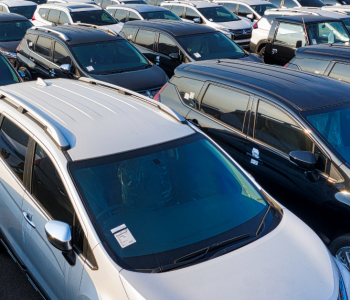
An SUV makes more sense when your daily routine genuinely demands extra cabin space, family practicality, and versatile cargo capacity. For growing Australian families, the tight confines of a standard hatchback can become frustrating very quickly once you factor in child seats, school bags, and grocery runs.
If you regularly carry multiple passengers or need comfort for longer weekend trips, a midsize or large vehicle provides the physical room you need to keep everyone comfortable.
- Extra Cabin Space: Ample legroom and headroom for growing kids and teenagers.
- Practical Cargo Space: Easily fits bulky items, prams, and weekend gear without folding down seats.
- Higher Ride Height: Provides better visibility on the road and makes loading child seats much easier.
- Versatility: Seamlessly combines weekday school runs with the capability for weekend road trips and light towing.
If your lifestyle dictates that space and flexibility are non-negotiable, finding a dependable family SUV available through an alternative finance pathway ensures you get the utility you need without traditional bank hassle. Highly rated options like the Hyundai Tucson, Kia Sportage, Nissan X-Trail, Mitsubishi ASX, LDV D90, and Haval Jolion offer the perfect blend of everyday comfort and long-term reliability.
FAQs
- Are SUVs better than small cars for long drives?
SUVs usually provide better comfort and cabin space for long-distance travel, while small cars are often more fuel-efficient.
- Which is cheaper to maintain in Australia?
Small cars generally cost less for fuel, tyres, insurance, and servicing.
- Are small cars good for families?
They can work for small families, but SUVs provide more cargo space and passenger comfort.
- What is the best vehicle for city driving?
Small cars are often easier to park and maneuver in busy urban areas.
How Do You Decide Which Is Better for You?
You can decide which vehicle is better by honestly evaluating your weekly budget, your actual space requirements, and your most frequent driving environments. There is no single “right” answer, as the best vehicle is simply the one that fits your life without straining your wallet.
If you are a first-time buyer or a solo commuter looking to keep your living costs strictly manageable, a small car is incredibly hard to beat. On the flip side, if you are balancing a busy household, value premium cabin comfort, and need a reliable workhorse for the family, an SUV is well worth the investment.
Golden Nugget: A vehicle is a tool to get you from A to B—ensure the tool you choose matches your actual daily needs and long-term lifestyle goals.
If traditional credit scores or strict bank lending rules are holding you back from getting on the road, an alternative rent to own car solution can help. You can check your options quickly by completing a simple prequalification in 60 seconds to see exactly what fits your budget and lifestyle today.