Why ICE Vehicles Still Outperform EVs and Hybrids for Everyday Aussies
As electric vehicles (EVs) and hybrids gain popularity in Australia, the conversation around what’s “better” has never been louder. But despite the growing shift toward electric mobility, the traditional internal combustion engine (ICE) car—yes, the good old petrol or diesel vehicle—still holds a strong advantage for many Australian drivers, especially those outside the inner city.
While EVs are the poster child for green innovation, not everyone is convinced they’re the best choice yet.
Let’s explore why a traditional petrol car still makes sense in 2025, and why for many Australians, it’s the more realistic and cost-effective choice.
1. Lower Upfront Costs
One of the most significant barriers to EV adoption is the high purchase price. According to Canstar, even the most affordable electric vehicles often cost $10,000–$20,000 more than their petrol counterparts. While government rebates help narrow the gap, they don’t completely close it.
Petrol cars are widely available across all price points, making them ideal for first-time buyers, budget-conscious families, and credit-challenged individuals.
2. Better Regional and Rural Accessibility
Australia is a vast country, and not everyone lives within a 5 km radius of a fast-charging station. For regional and rural Australians, limited EV infrastructure is still a major problem.
Even with the Federal Government’s $500 million EV infrastructure pledge (ABC News), EV chargers remain concentrated in metro areas. Petrol stations, on the other hand, are ubiquitous and reliable, making ICE vehicles far more practical for long-distance or remote travel.
3. Quicker Refuelling Time
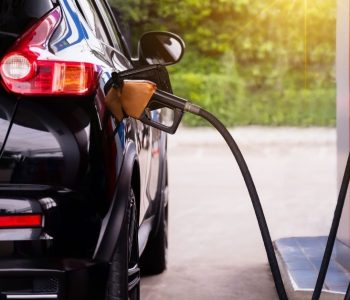
Let’s face it—nobody wants to wait 30–60 minutes at a charging station when they can fill up a petrol tank in under five minutes.
Even the best EVs on the market take time to charge. And while fast-charging stations exist, they aren’t always accessible or affordable. For drivers with busy lifestyles, time is money, and ICE vehicles continue to offer unmatched convenience in this area.
4. Less Battery Anxiety
EV owners frequently mention range anxiety—the fear of running out of charge before reaching a destination or charging point.
Traditional cars don’t have this problem. With ICE vehicles, it’s easy to predict fuel usage, and you’re never far from a petrol station. According to the NRMA, the average range for a petrol car is around 600–800 km, while many affordable EVs still sit below 400 km per charge.
5. Maintenance Is Still Comparable
While it’s often claimed that EVs have fewer moving parts and thus lower maintenance costs, this doesn’t always hold true in practice.
Hybrids, in particular, have both an internal combustion engine and an electric motor, which can actually increase complexity and potential repair costs. According to Drive.com.au, the real savings in maintenance only begin to outweigh the costs after several years—and that’s assuming battery health remains strong.
And when EV batteries degrade or fail, replacement can cost between $10,000 and $20,000.
6. Used Car Market Still Favours Petrol
EV resale value is still volatile. As battery tech evolves, older EVs become obsolete faster. In contrast, petrol cars—especially popular models like the Toyota Corolla or Mazda CX-5—hold value more consistently in Australia’s used car market.
Sites like CarsGuide note that second-hand ICE vehicles continue to dominate classified listings and dealer lots across the country.
7. Better Towing and Off-Road Capability
Planning to tow a caravan or go off-road in the Outback? EVs often fall short. Many electric vehicles have limited towing capacities and reduced range under load.
Traditional 4WDs and diesel utes remain the go-to choice for tradies, adventurers, and families who need performance beyond the city streets.
8. Energy Source Still Matters
Electricity isn’t inherently green unless it comes from renewable sources. In Queensland, for example, over 60% of electricity still comes from fossil fuels (Energy.gov.au). That means your EV may still have a carbon footprint close to a petrol vehicle, depending on how your electricity is generated.
Final Thoughts: ICE Vehicles Are Still the Smart Choice for Many
While EVs and hybrids are exciting and definitely part of Australia’s future, they’re not one-size-fits-all. For many Australians, especially those outside metro hubs or with limited budgets, traditional vehicles remain the most practical, affordable, and accessible choice. If you’re not ready (or able) to take the electric plunge, you’re not behind the curve—you’re just being realistic.
For Australians who need a car but face finance challenges, rent-to-own programs such as CarCoop’s offer flexible options. With expert guidance from CarCoop, drivers can help drivers understand how these arrangements work, what their weekly payments include, and which available vehicles may suit their needs and budget.