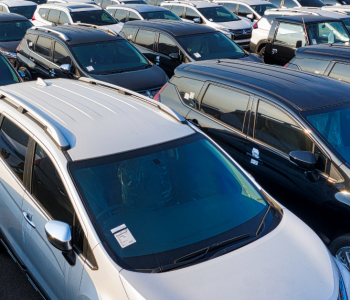
Steps on How to DIY a Car Wash
Owning a car means maintenance but maintenance doesn’t always mean a ton of money. Maintenance can be as simple as washing your car and we thought you might find these DIY car wash tips handy.
According to car experts, the ideal time to wash your car is every 2 weeks, twice a week can be damaging for your car’s paint. Dusty roads or flocks of birds can make it very obvious as to when you need to wash your car.
So here are a few easy steps on how to do an effective DIY car wash:
1. Rinse the car
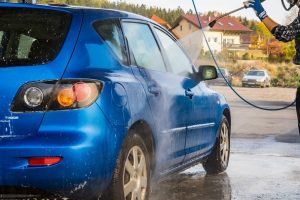
Rinsing your car with a hose or pressure washer to wash away the surface dust, dirt, and mud comes first. Removing the loose contaminants will make it easier for you to soap your car afterwards. Don’t forget to also hose the wheels as this is where road dirt accumulates.
2. Soap the car
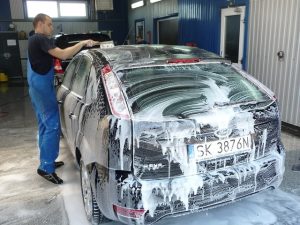
After removing the surface dirt and dust, it’s time to properly clean the car. Remember to use car-wash liquid only. Never use any detergent or dishwashing liquid because they are too harsh for your car’s paintwork. While soaping the car use only a microfibre cloth, chamois, or automotive drying towel. For the wheels and tyres, use a soft bristle brush to clean the nooks and crevices. While cleaning, make sure to soap the door handle and other parts of the car. Rinse thoroughly when done.
3. Dry the car

Once you’ve finished cleaning the car it is very important to dry it. Remember to only use scratch-resistant drying materials such as a microfibre cloth, chamois or an automotive drying towel. It is not recommended that you use any kind of air compressor to dry off your car as it may cause damage.
5. Wax the car
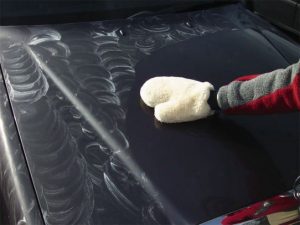
For added protection on the surface of your car, reapplying the wax every 6 months is highly recommended. A good quality wax will help fill shallow scratches and lightly cover the paintwork.
Cars are investments that should be cared for. Brand new or used, they both deserve the same love and care.
If you’re looking for a flexible alternative to traditional car finance, check out CarCoop’s rent-to-own vehicle options. CarCoop does not require credit checks and instead assesses eligibility based on factors such as your current income and affordability.
Customers make regular payments for use of the vehicle over an agreed lease term, with vehicle-related inclusions depending on the agreement. Any end-of-term arrangements are subject to the terms and conditions of your agreement.